Object of Devotion: Ville Laurinkoski, Matti Sumari
Object of Devotion
Ville Laurinkoski, Matti Sumari
15.05 – 14.06 2026
Vernissage: Friday, 15 May, 18.00–21.00
Public programme:
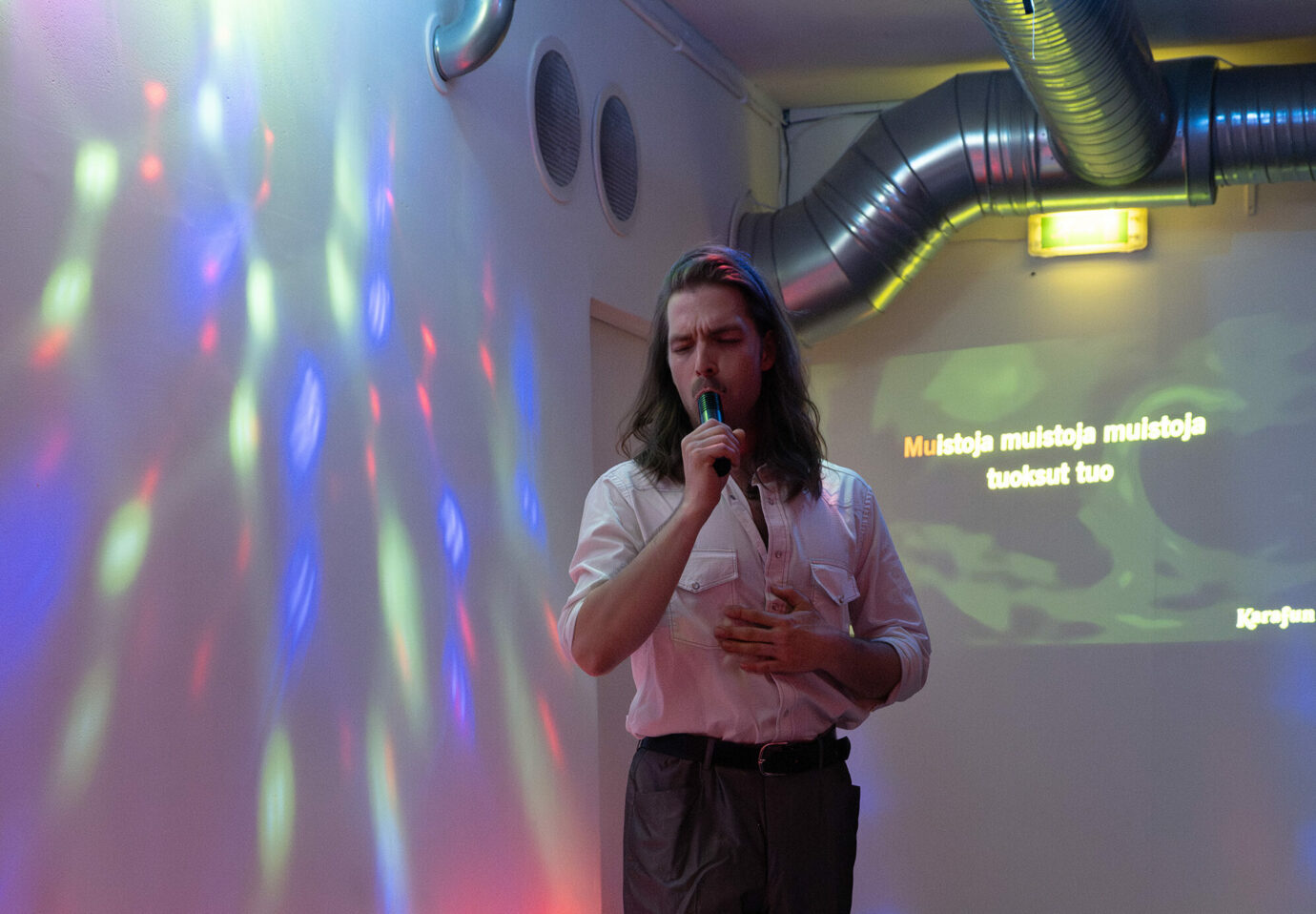
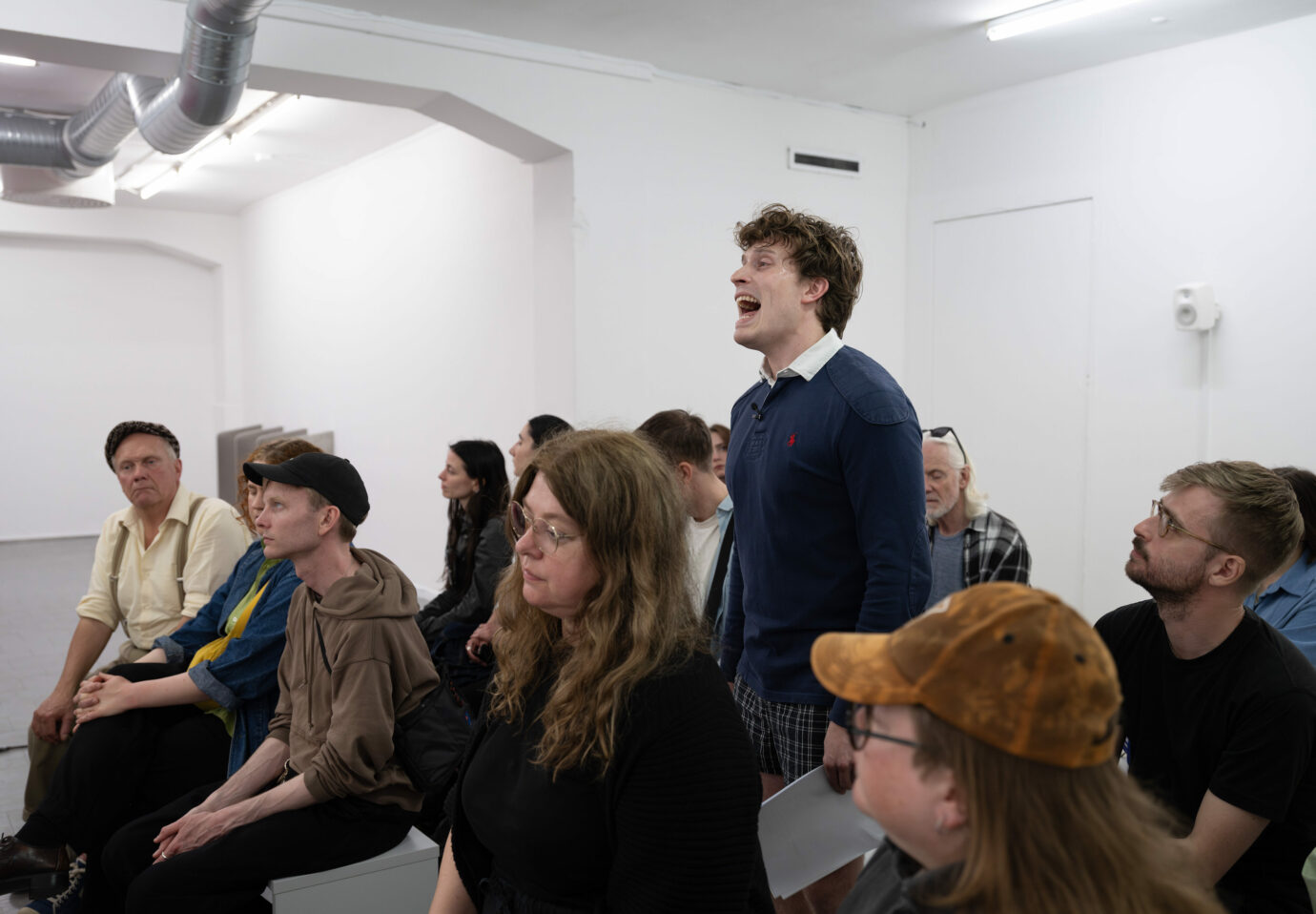
Matti Sumari: We can’t sing but we do – a karaoke party
Friday 29 May, 19.00–22.00
Ville Laurinkoski: Les voyages et aventures extraordinaires du frère Angelo. Performance and lecture
Saturday 6 June, 18.30–21.00
Join us for the opening of our spring exhibition Object of Devotion, featuring works by Ville Laurinkoski and Matti Sumari.
rusty metal, radiant magenta shelves,
1980s gay porn, towering sculptures scraping the heavens,
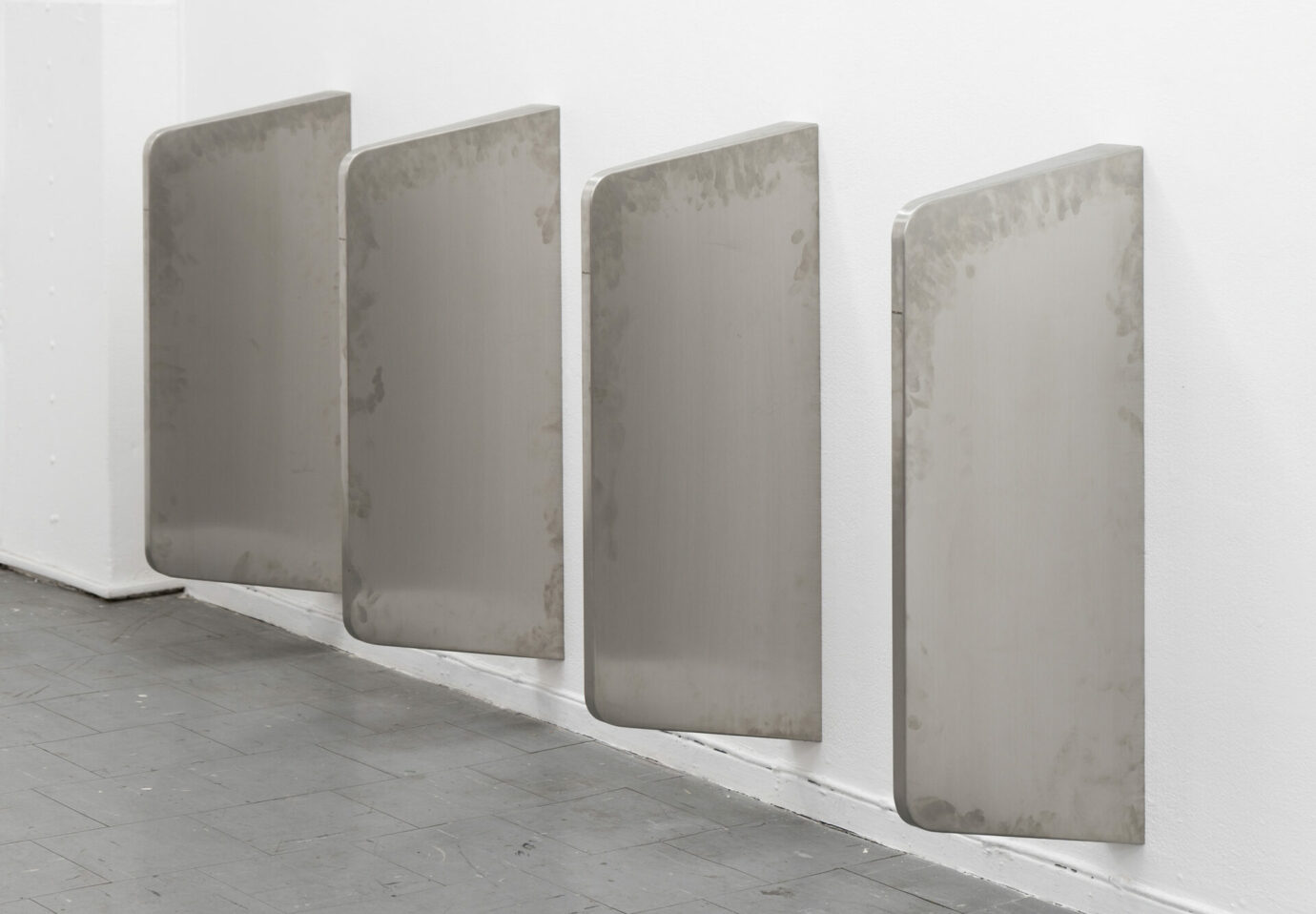
urinal dividers,
textured ambient soundscapes,
soft sinking mattresses
Object of Devotion gathers a delicious mix of sculpture, sound, installation, and performance. The exhibition lingers on two artistic practices that are charged with material intensity, affect, and critical force. Here, matter is unravelled: how it behaves, what it signifies, and how it structures perception. The artists move in varying conceptual directions, generating productive dissonance.
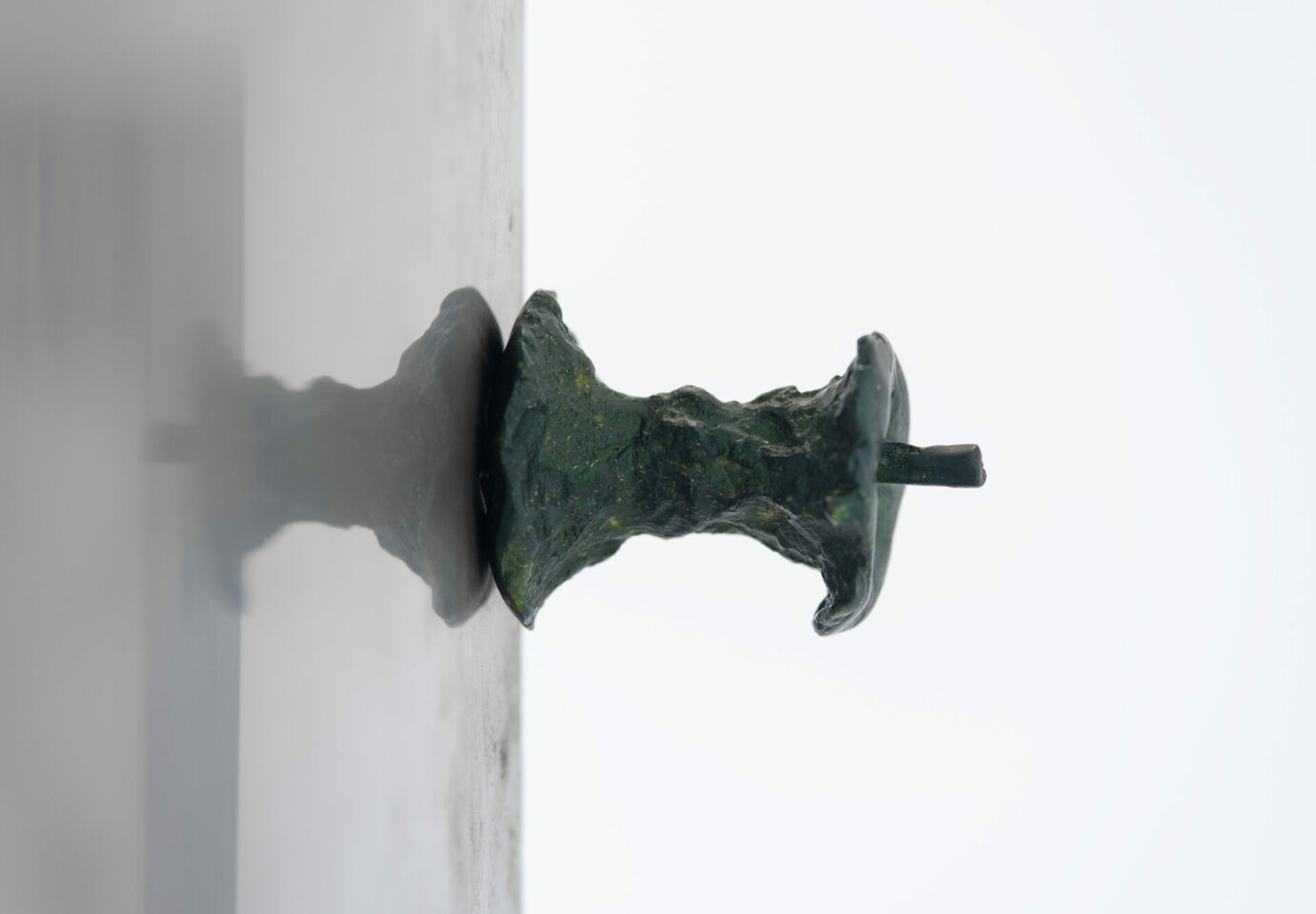
In Object of Devotion, sculpture is approached as a vessel of time, repetition, and touch. The works carry traces of labour and use – fingerprints, lumpy glue, grease, blue-green patina. Each element is part of a ritual of discipline and experimentation, testing the limits of the medium, returning to it again and again, and refusing closure. The work does not settle; it accumulates. It persists.
Across the exhibition, an object of devotion is that which holds attention with an almost sacred intensity. It can be a gesture, a voice, a forgotten text, a piece of abandoned scrap, or an artistic method that gathers force through return. Devotion is not fixed. It is a process, a sustained recurrence, an orientation towards something that never resolves, but continues to hold.
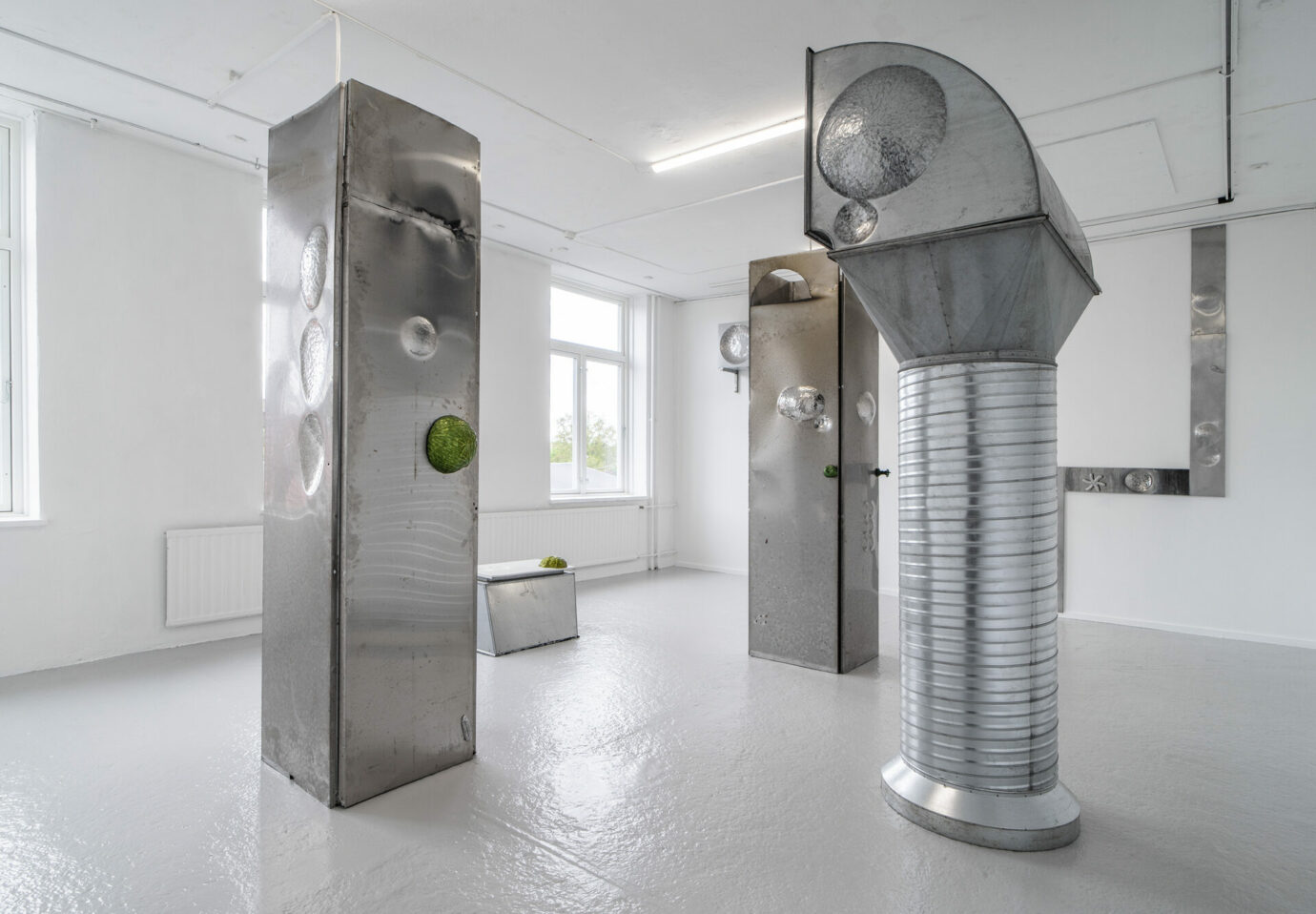
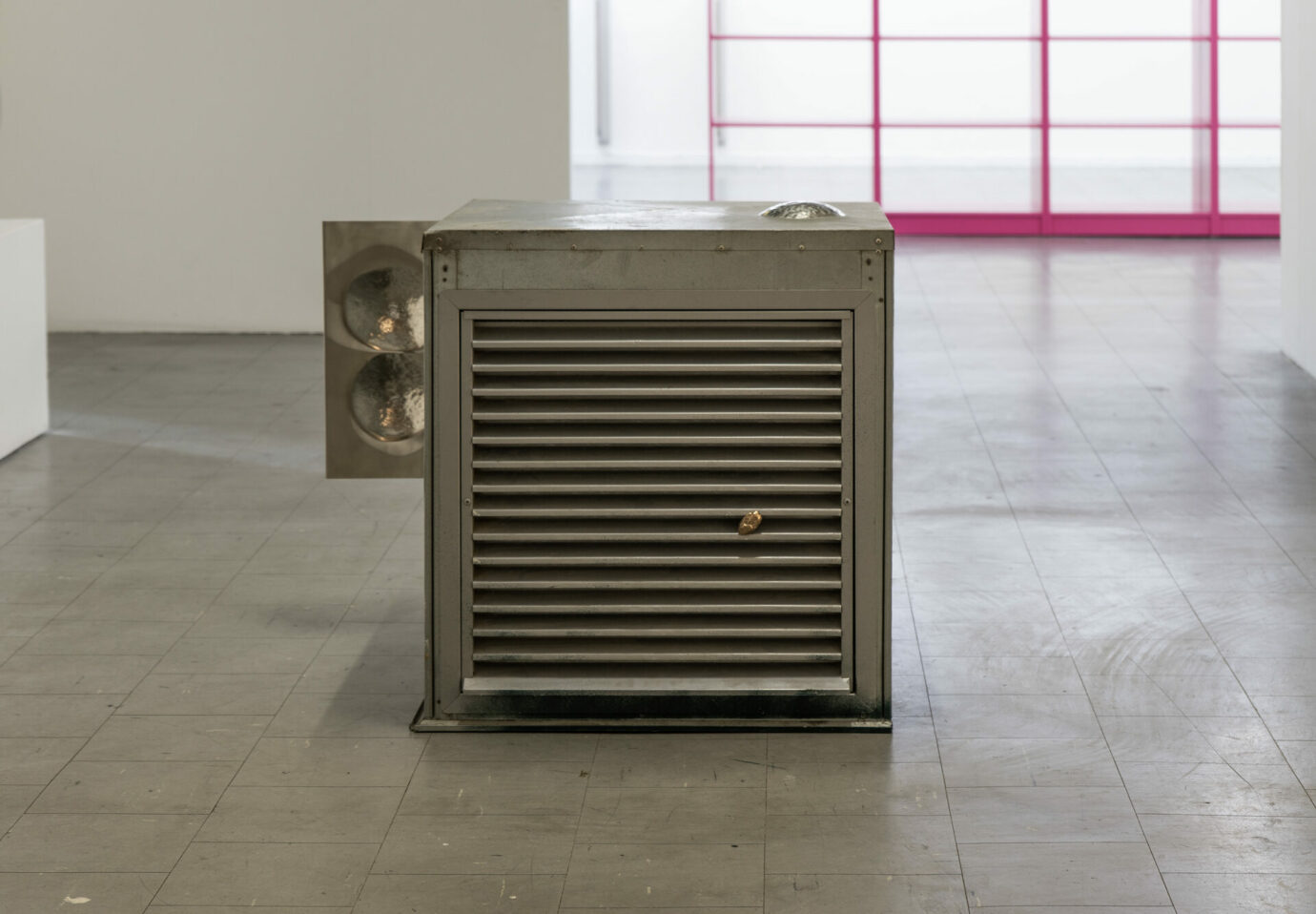
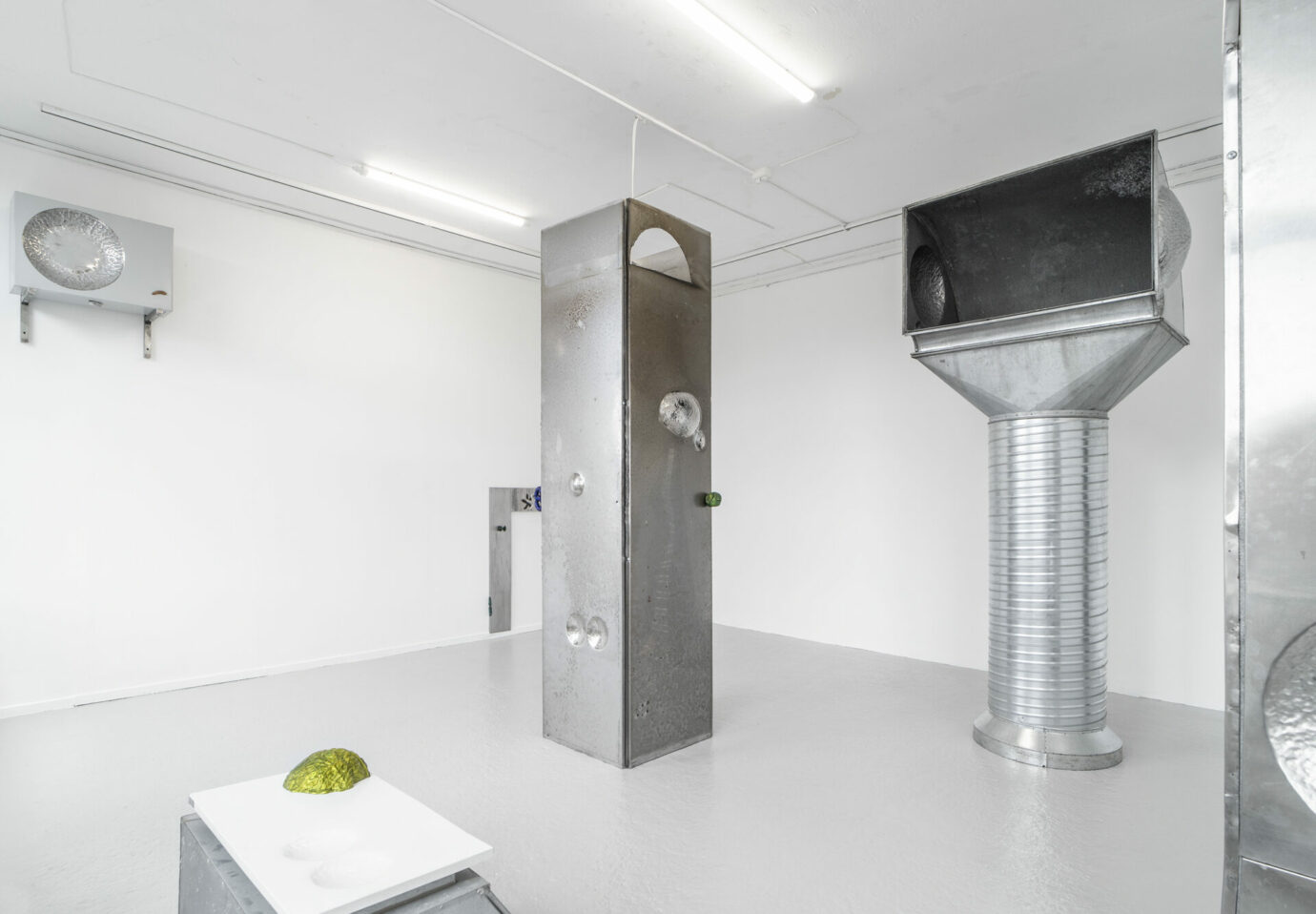
Matti Sumari often engages with industrial waste found on the outskirts of the city of Malmö. Scrap left in heaps to decay, far from the consumer gaze. Sheets of wavy metal, loose pipes, electronic debris, spiky exposed wires. Sumari devotes himself to the process of making through crumpling, cutting, hammering, bending, and welding. He repurposes materials to create sculptures in various dimensions, from substantial forms to minuscule ones that ornament and merge into the built or natural environment. In a way, his works are never devoid of history; they carry traces of prior existence.
In Object of Devotion Sumari presents We can’t sing but we do (2026), a sculptural installation with anthropomorphic characters that are imbued with agency. The inanimate objects sing their hearts out – vibrating and echoing through the physical histories embedded within their material selves. From their industrial creation, to their tenure as civil servants, to eventual removal and obsolescence, and finally new life at centre stage, reimagined by the artist.
As the body has its bodily functions, so does the architectural form of a structure or building. Absorbing heat during the day, pumping air, water and various other necessities through its systems. Our modern comfort systems, meant to be toiling away underneath us, while simultaneously trying to act invisible as ventilation channels or water piping and somehow hiding in plain sight. Here – a new parasocial relation may appear as a parasitic ventilation pipe jumps out of the shadows and acts as if they own the place. Who is serving who? We can’t sing but we do.
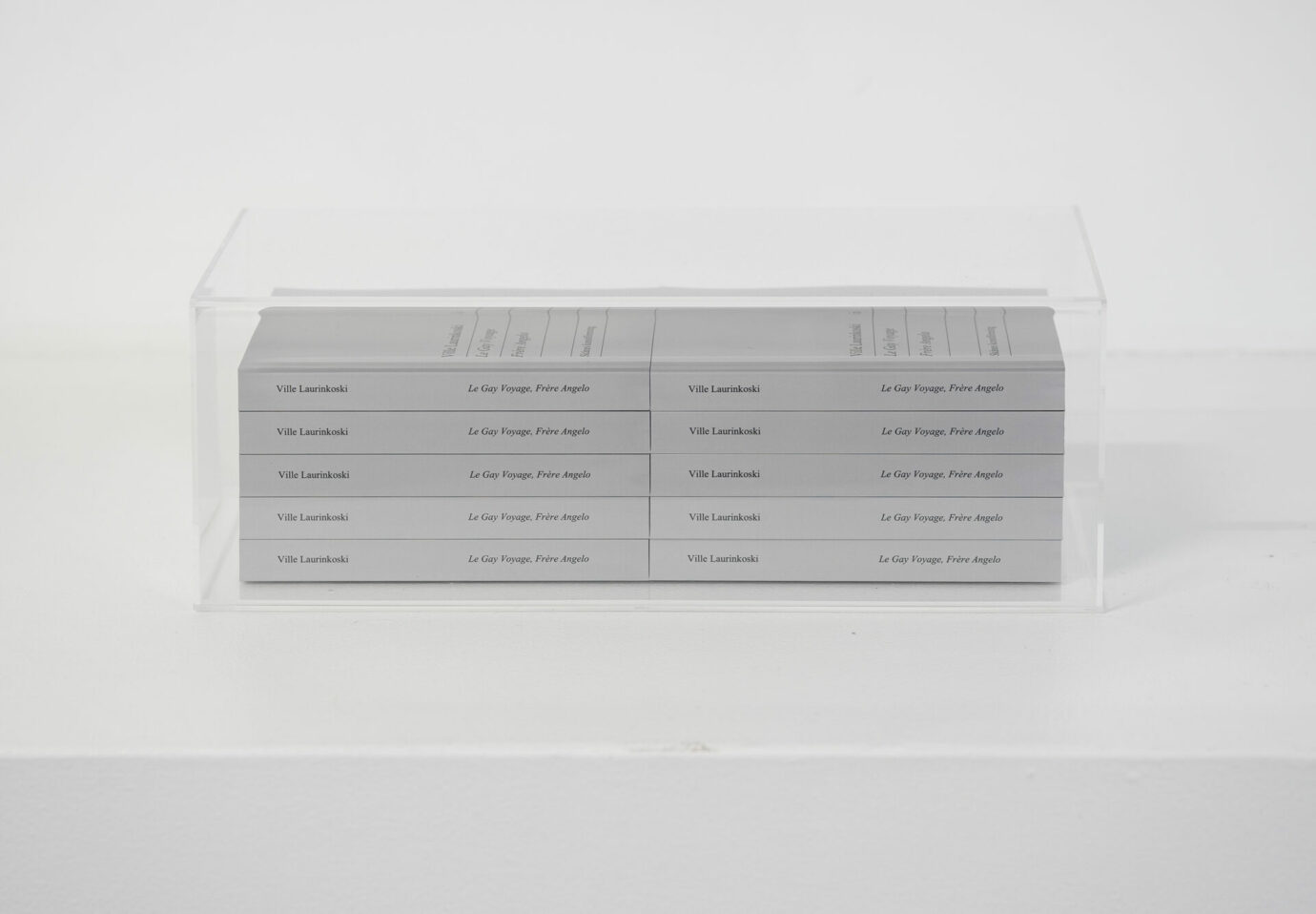
Ville Laurinkoski’s contribution to the exhibition is an amalgamation of a series of works presented onsite as Le Gay Voyage, Frère Angelo (2026). In its entirety the ensemble revisits the past and present of gay and LGBTQ+ culture and its affective landscapes.
Les Voyages et Aventures Extraordinaires (2026) borrows its title from a novel by French writer and philosopher Guy Hocquenghem (1946–88), which allegorises the AIDS epidemic through Christian imagery. It functions here as a conceptual and emotive framework: Christianity appears as a system of imposed fraternity, moral violence, and exclusion directed at homosexuality.
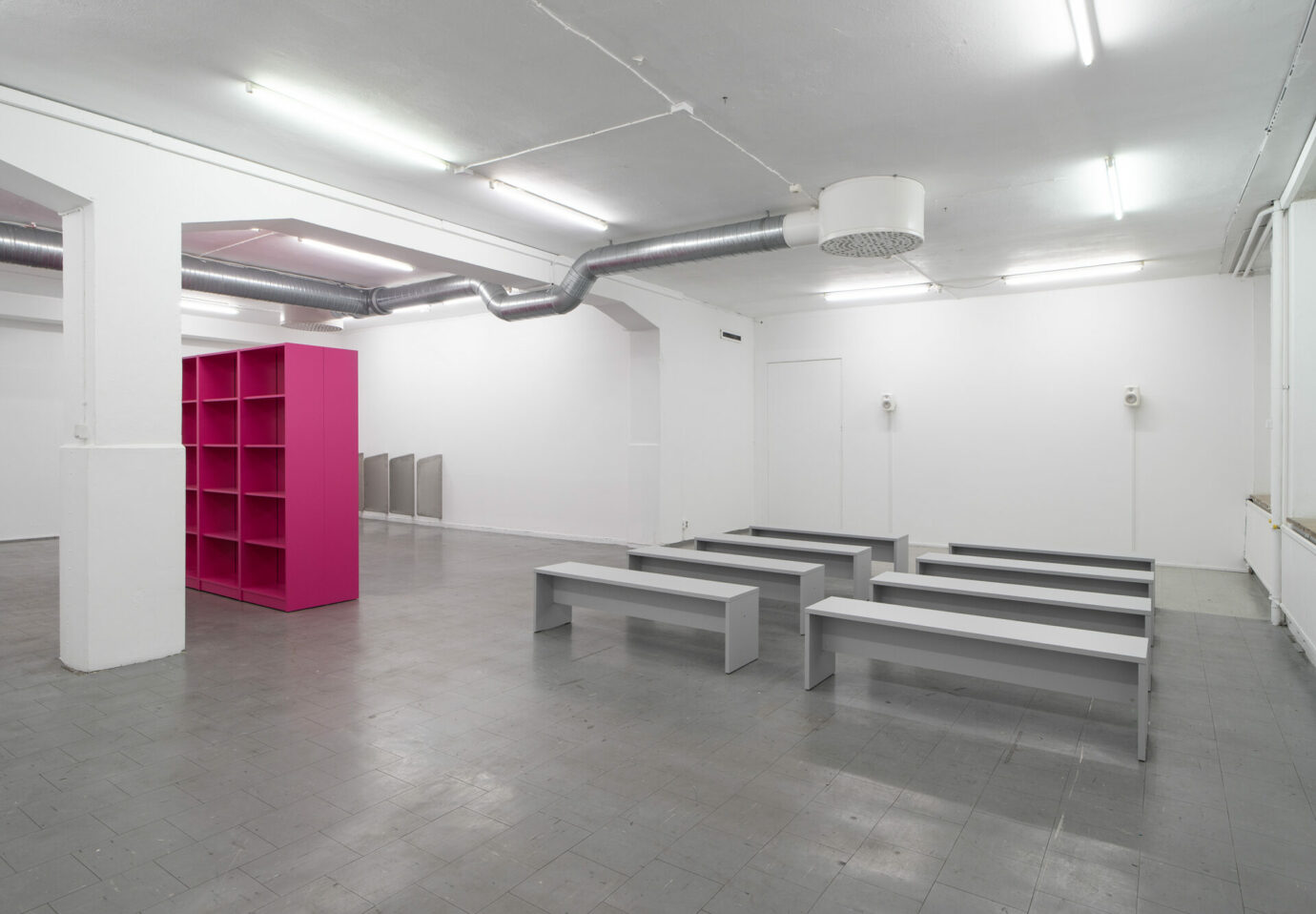
The Finnish youth song Evankeliumi is looped relentlessly, accompanied by a voice-over and live performance compiled from excerpts of the novel. Readymade imagery produces readymade feelings – through repetition these feelings are exposed, exaggerated, exhausted, and destabilised – sometimes shouted rather than articulated. The work does not simply mock its references. By repeating gestures and attitudes (arrangements of space, furniture), and situations (gazing, listening), it reveals them as structures rather than laws – structures that can be dismantled even as they remain affectively charged and perversely pleasurable.
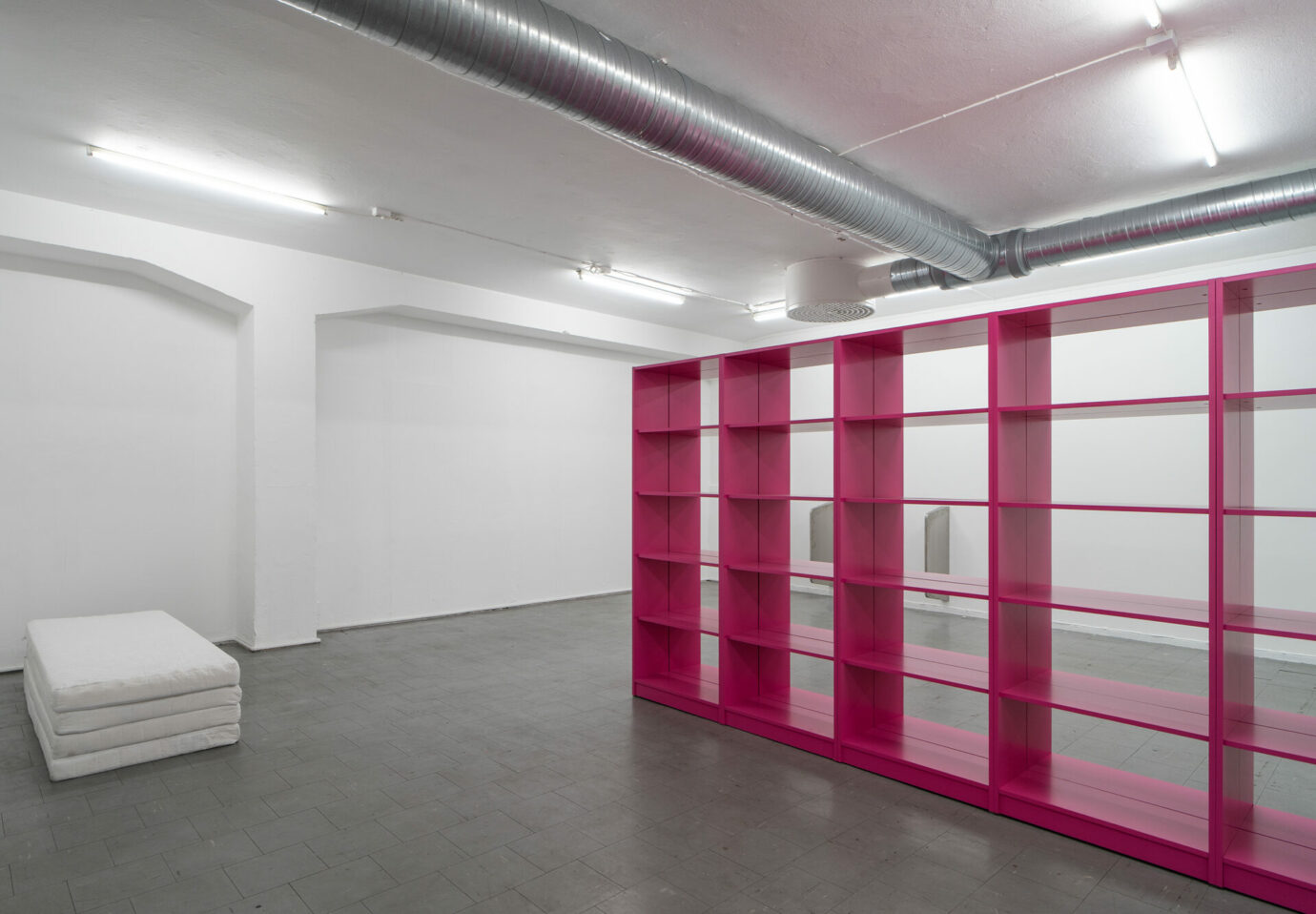
A 1980s travel journal by Hocquenghem on the globalisation of gay culture functions as a point of departure for the series Le Gay Voyage (2024–ongoing). As written by curator Fafaya Mogensen, “…objects mediate our sense of self, drifting between personal history and collective imagination, between commodity and memory, between possession and loss.” The work interrogates the centrality of material objects in the creation and mediation of identity. The constellation includes industrially painted domestic bookshelves, urinal dividers, and mattresses.
Object of Devotion unfolds as a choreography of works in various states of being that invite the viewer to look, listen, and contemplate.
About the artists:
Ville Laurinkoski (b. 1996, Finland) is a visual artist and performer based in Copenhagen. Alongside his studies at the Royal Danish Academy of Fine Arts, Schools of Visual Arts, and Hochschule für Bildende Künste–Städelschule, Laurinkoski completed the Maumaus Independent Study Programme in Lisbon in 2021. Laurinkoski creates suggestive interiors and chamber pieces composed of mass-produced objects and misfit materials, unpurposed furniture, and readymades, often infused with voice and speech, in the form of sound or live performance. Drawing on literature, autobiographical writing, pasts of gay activism, and commercial music, his artistic practice serves as a form of critique, producing an aesthetic that exposes and subverts the socio-economic, linguistic, and spatial systems that script our lives.
Matti Sumari (b. 1987, Finland), lives and works in Malmö, Sweden, and graduated with an MFA from Umeå Academy of Fine Arts in 2014. He is a co-founder of Alta Art Space, an artist-run exhibition space in Malmö formed in 2015. Sumari works in a defunct ketchup factory on the outskirts of Malmö, a post-industrial landscape where materials are sourced from a landfill just below the studio. His work explores the resources that can be extracted from urban surroundings – free slag materials, by-products of contemporary life – sorted out through the city’s metabolism into dump sites. The ingredients gathered are most often, in their prior functions, already involuntary social sculptures. Sumari gathers, alters and reinforces their purpose through homemade versions of industrial processes.
Curator: Tawanda Appiah
Technicians: Jenny Berg, Linus Svensson
Laurinkoski is supported by Arts Promotion Centre Finland and The Danish Arts Foundation.